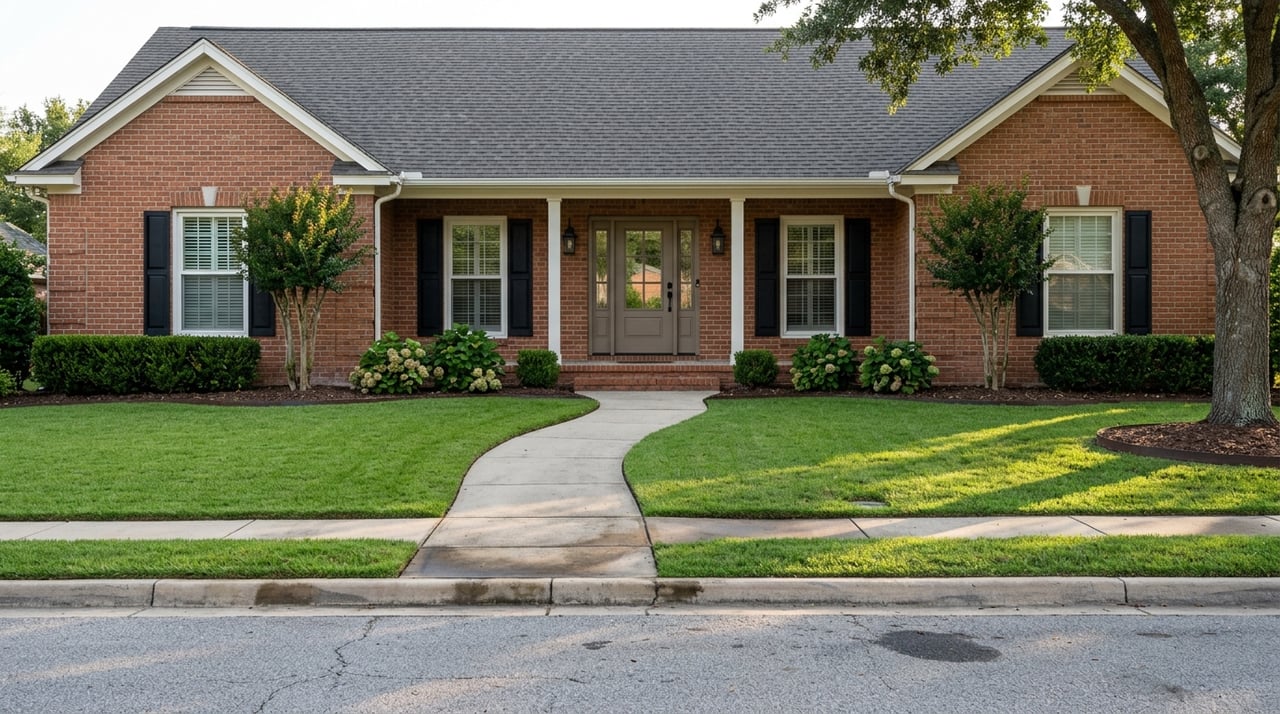
If you want to live close to downtown Charleston without giving up a more residential feel, James Island deserves a serious look. For many commuters, the challenge is finding a place that balances drive time, daily convenience, and the kind of surroundings you actually enjoy coming home to. James Island offers that mix in a way that feels practical and lifestyle-driven at the same time. Let’s dive in.
Why James Island Works for Charleston Commuters
James Island sits between Charleston Harbor and the Stono and Folly Rivers, which gives it a close-in coastal setting while still functioning as a primarily residential community. The Town of James Island describes it as having a small-town feel, and the latest Census QuickFacts estimate shows 12,660 residents and 4,666 households.
For commuters, that matters because the area does not feel like a dense, transient rental market. The town’s owner-occupied housing rate is 87.5%, with a median owner-occupied home value of $508,600 and a median gross rent of $1,695. The mean travel time to work is 22.5 minutes, which helps frame James Island as a realistic option for people working in and around Charleston.
Downtown Access From James Island
If your job, routine, or social life centers on downtown Charleston, the commute conversation usually starts with the James Island Connector. The City of Charleston describes SC 30 as a four-lane divided limited-access highway connecting Lockwood Drive and Calhoun Street on the peninsula to SC 171, also known as Folly Road, on James Island.
In simple terms, driving is the most straightforward way to get downtown from James Island. That direct link is one of the island’s biggest advantages for buyers who want to stay near Charleston’s core while living in a more residential setting.
Driving Is Usually the Easiest Option
For most commuters, James Island is a car-first location. The research points to corridor-based shopping, auto-oriented commercial patterns along Folly Road, and current transportation limits that make driving the simplest day-to-day choice.
That does not mean every trip is effortless. The City of Charleston’s Folly Road corridor study notes traffic inefficiencies and limited bike and transit infrastructure, so your drive can depend heavily on route, timing, and where on the island you live.
Transit Is a Useful Backup
If you want alternatives to driving, CARTA is the main transit option. Current service includes Route 31 Folly Road, the XP1 James Island to North Charleston route, and downtown service options such as DASH 210, 211, 213 and the Downtown Connector 20 King Street/Meeting.
The Town of James Island has also described Route 31 as the line connecting James Island and downtown Charleston. For some commuters, that makes transit less of a primary strategy and more of a backup plan when you want flexibility.
Biking to Downtown Has Limits
If you are hoping for a bike-friendly bridge commute, the current setup is less simple. The City of Charleston notes that bicycles are prohibited on the main Ashley River crossings tied to the James Island Connector.
That does not rule out biking on the island itself, but it does mean a direct bike commute to downtown is not straightforward today. If bridge-free cycling access is a top priority, this is an important factor to weigh early.
What Daily Life Feels Like on James Island
One of James Island’s biggest strengths is how it blends convenience with a residential atmosphere. It is close to downtown, but the day-to-day experience is shaped more by neighborhoods, trees, parks, and water access than by an urban street grid.
That can be a strong fit if you want your home life to feel calmer than your workday. You can get into Charleston when needed, then come back to an area where the pace often feels more rooted and local.
Housing Style and Neighborhood Character
James Island is not defined by one housing type or one development era. According to the town’s historic-sites inventory, the built environment ranges from 18th-century houses to a 1973 modernist residence, which points to real architectural variety across the island.
For buyers, that means you are more likely to find established neighborhoods, mature trees, and homes with different ages and layouts rather than one uniform master-planned product. If you value character over sameness, James Island has a lot to offer.
Riverland Terrace and Older Neighborhood Appeal
Riverland Terrace is one of the island’s best-known older neighborhoods. The town says it was one of the first modern planned neighborhoods on James Island, laid out in the 1920s with curving streets and uniform setbacks, though most homes were not built until the 1950s.
That history helps explain why some parts of James Island feel distinct from newer suburban areas. You may find more established streetscapes and a stronger sense of neighborhood pattern than in communities built all at once.
Bay Front and Midcentury Roots
Bay Front adds another layer to the island’s residential story. The town says the area was subdivided in the 1950s and developed into the residential community that exists today.
That kind of midcentury foundation can appeal to buyers who want older neighborhood character and a setting that has evolved over time. It also reinforces the idea that James Island is more about established residential pockets than new-build uniformity.
Parks and Water Access After Work
For many Charleston-area buyers, commute time is only half the story. What really shapes quality of life is what you can do before work, after work, or on the weekend without going far.
James Island stands out here because outdoor access is woven into everyday life. You are not choosing between convenience and recreation as much as you might in other commuter locations.
County Park Adds Big Outdoor Variety
James Island County Park is a major local amenity with 643 acres. It includes paved trails, campground facilities, a seasonal waterpark, boat and bike rentals, kayak and paddleboard rentals, and accessible saltwater fishing and crabbing from the dock.
For commuters, that creates a practical lifestyle perk. You can fit in a walk, paddle, or casual outdoor break close to home instead of planning your entire week around getting to recreation.
Smaller Parks Support Everyday Routine
The island also has smaller spots that add value to daily life. Brantley Park includes a dock and marsh views, while Dock Street Park offers a fishing dock overlooking Charleston Harbor.
Pinckney Park, on Fort Johnson Road, includes a playground, picnic shelter, marsh and creek views, and sidewalk access to surrounding neighborhoods. Mill Point Park, which opened in April 2025, adds a marsh viewing platform, open grass fields, and passive park space at 1259 Mill Point Road.
Boating and Waterway Access Matter Here
If water access is part of your ideal routine, Battery Island Landing is worth noting. Located on Sol Legare Road, it offers a public boat ramp and access for boating, fishing, and crabbing, along with a short paddle connection to James Island County Park.
That is part of what makes James Island different from a typical commuter suburb. The lifestyle here is tied not just to proximity to Charleston, but to real access to marsh, harbor, river, and waterfront recreation.
Errands, Dining, and Shopping
James Island is convenient, but its commercial layout is important to understand. Rather than having one dense, walkable main street, retail and dining are concentrated along major corridors.
The City of Charleston’s Folly Road study describes Folly Road as James Island’s commercial hub. It also notes aging strip malls and auto-oriented commercial uses, which helps explain why many errands here are quick car trips rather than long walks through a central business district.
Folly Road Is the Main Commercial Spine
If you live on James Island, many of your everyday stops will likely happen along Folly Road. That includes casual dining, shops, and practical errands.
The same corridor is also an active topic for transportation and land-use planning, with the city identifying it as a multimodal upgrade area. For commuters, that means Folly Road plays a central role in both your daily convenience and your travel patterns.
Maybank Highway Also Shapes Daily Access
Maybank Highway is another important corridor for land use and development on James Island. Charleston County’s overlay project highlights its role in how the area functions and grows.
In practical terms, James Island living often means knowing your preferred routes and errand patterns. Once you do, day-to-day life can feel efficient, even if it is not centered around one walkable downtown.
Is James Island a Good Fit for You?
James Island can be a strong fit if you want close-in access to downtown Charleston, a residential setting, and regular access to parks and water. It especially suits buyers and renters who are comfortable with a car-first routine and who value neighborhood character over a master-planned feel.
It may be less ideal if your top priority is a simple bike commute to downtown or a highly walkable town-center environment for most errands. The island’s appeal is really about balance: coastal setting, established neighborhoods, and practical downtown access, all in one place.
If that sounds like what you want, James Island is worth exploring with a commute-focused lens. Looking at location on the island, road access, and your daily routine can make a big difference in how well a home fits your life.
If you want help finding a home that matches both your lifestyle and your commute goals, Nick Tarcea can help you evaluate neighborhoods, compare options, and move forward with confidence.
FAQs
What is the typical commute time from James Island?
- The latest Census QuickFacts estimate lists the mean travel time to work at 22.5 minutes for James Island.
How do most people commute from James Island to downtown Charleston?
- Driving is usually the simplest option, with SC 30, the James Island Connector, providing a direct link between James Island and the Charleston peninsula.
Is James Island good for buyers who want a residential feel?
- Yes. The town describes James Island as primarily residential with a small-town feel, and the housing mix leans toward established neighborhoods rather than one uniform style of development.
Can you bike from James Island to downtown Charleston?
- A direct bike commute is not straightforward right now because bicycles are prohibited on the main Ashley River crossings associated with the James Island Connector.
What kinds of parks are available on James Island?
- James Island offers a mix of large and small outdoor spaces, including James Island County Park, Brantley Park, Dock Street Park, Pinckney Park, Mill Point Park, and Battery Island Landing.
Where do most errands and dining happen on James Island?
- Most shopping and dining are concentrated along key corridors, especially Folly Road, rather than around a single walkable main street.
