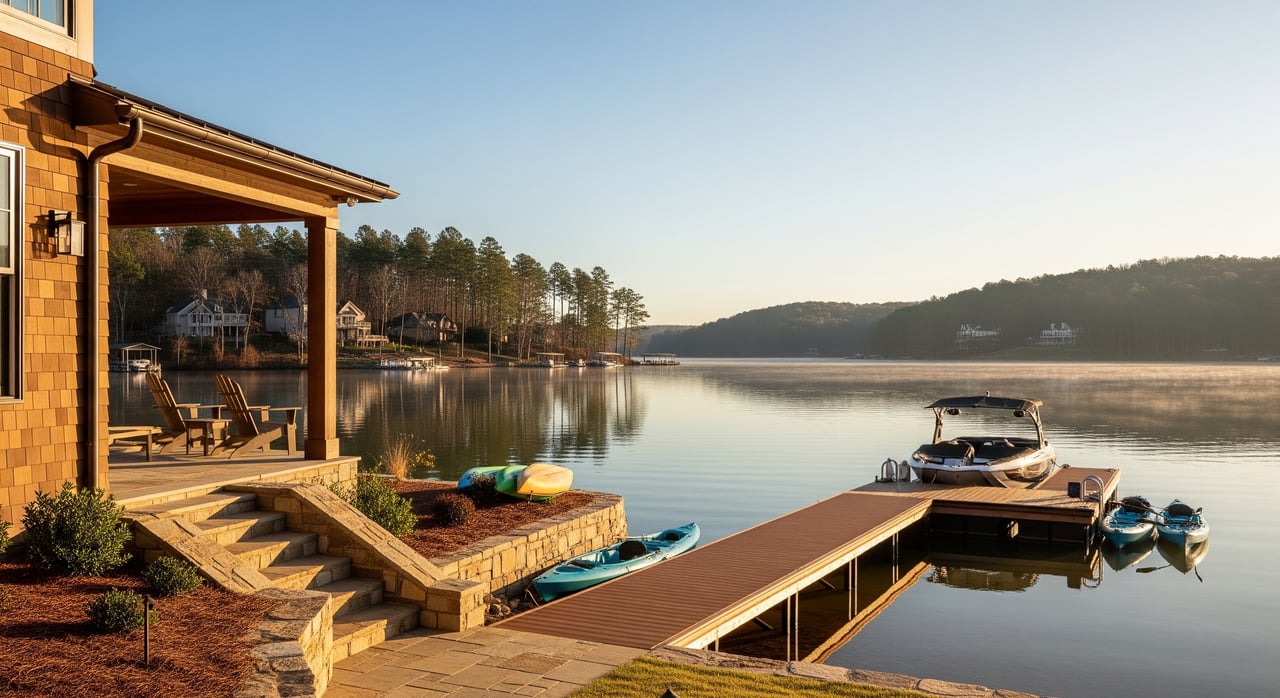
Picture quiet mornings on the water, afternoons packed with outdoor fun, and an easy drive to Charlotte when you need the city. If you are moving to the South Carolina side of Lake Wylie, you want a clear look at day-to-day life before you choose a neighborhood. In this guide, you will learn how the lake lifestyle works, where to shop and play, what to know about commuting, and the practical steps that make settling in smooth. Let’s dive in.
Lake Wylie lifestyle at a glance
Life on Lake Wylie blends leisure and convenience. You will find waterfront communities alongside suburban subdivisions and pockets of rural land as you move away from the shoreline. Many residents build their social time around the water, then head to nearby towns for daily errands.
You will also see commuter patterns. A large share of residents work in Charlotte or nearby employment centers, so weekdays feel suburban and weekends feel like a mini-vacation. Daily shopping and services are close by in Fort Mill, Tega Cay, and Clover, with larger retail and dining a short drive into the Charlotte suburbs.
Getting on the water
Public access and marinas
Lake Wylie is a reservoir managed by Duke Energy. Public boat ramps and parks offer ways to launch both non-motorized and motorized boats, though hours and availability can vary by season. Private marinas and boat clubs around the lake provide fueling, rentals, storage, and slip options, depending on the operator.
If you plan to own a boat, it helps to map your closest ramp or marina and understand your neighborhood’s dock or slip access. Some communities include shared docks or boat storage, while others rely on nearby marinas.
Safety, rules, and water levels
Because the lake spans the North Carolina and South Carolina line, boating and fishing regulations can differ by state. Always confirm rules based on where you launch and where you plan to boat. Safety equipment, registration, and age rules follow state law.
Water levels are managed for power generation and flood control. Seasonal changes can affect shallow ramps and docking, so plan ahead if your cove gets low. Duke Energy publishes notices about water levels and shoreline guidance.
Docks and shoreline work
If you are considering a waterfront home, know that docks and shoreline changes usually need permission from Duke Energy. Local permits and HOA rules may also apply. Build time for permitting into your plans, and verify any existing structures are compliant before you buy.
Neighborhoods and housing types
You will find a mix of housing around Lake Wylie. Waterfront single-family homes with private docks sit in the higher price tiers. Non-waterfront single-family homes in subdivisions, townhomes, and condos offer more affordable options, with some communities providing shared lake access and amenities.
New construction continues across York County, including neighborhoods that emphasize pools, trails, and community docks. Many areas have HOAs that manage common areas and set community rules. Be sure to review fees and covenants so you understand impacts on pets, exterior changes, and dock use.
Waterfront homes carry a premium. Non-waterfront homes tend to be more budget friendly, though pricing varies by neighborhood, access, lot size, and finishes. For up-to-date numbers, compare local MLS snapshots and county records with Charlotte metro trends.
Flood zones and insurance
Some lakeside and low-lying lots fall within FEMA flood zones. Lenders may require flood insurance for those properties. Check FEMA flood maps for a specific address and consider an elevation certificate to understand risk and potential insurance costs.
Schools and childcare
Parts of the Lake Wylie area fall into different York County school attendance zones, commonly including Clover School District and portions of the Fort Mill area. School performance and programs vary by district and by school. If school assignment is a high priority, confirm the exact address-to-school mapping with the district and review state report cards for current information.
For childcare, you can choose from a range of preschools and daycare providers in nearby towns. Availability and waitlists can change quickly, so start the search early.
Parks, trails, and things to do
You have plenty of outdoor options beyond the lake. Anne Springs Close Greenway in Fort Mill offers miles of trails, paddling, equestrian facilities, and year-round family programming. Town and county parks in Tega Cay and across York County add walking paths, playgrounds, and sports fields.
Regional attractions in the Charlotte metro are within easy reach. Carowinds is a short drive, and you will find a wide selection of dining, arts, and entertainment scattered through the southern suburbs and Uptown.
Shopping, dining, and healthcare
For groceries, pharmacies, and everyday errands, you will find what you need in Fort Mill, Tega Cay, and Clover. For specialty shopping, larger retailers, and upscale dining, plan on a 15 to 30 minute drive into Charlotte suburbs.
Healthcare is anchored by facilities in Fort Mill, Rock Hill, and Charlotte. Major systems serve the region, and many residents go to Charlotte hospitals for specialized or emergency care. Map your preferred hospital, urgent care, and primary care providers when you narrow your neighborhood choices.
Commuting and transportation
Typical commute times
Lake Wylie sits just south of Charlotte, and many commutes to Uptown fall in the 20 to 40 minute range under normal traffic. Actual time depends on your starting point and when you drive. Countywide, recent U.S. Census American Community Survey data shows mean travel times in the high 20s minutes, but rush hour can extend trips.
Roads and congestion
The main corridors include I-77 toward Uptown Charlotte and regional arterials that tie into I-485. Growth in the corridor has increased peak-period congestion, so factor in extra time during morning and evening rush. Road projects and traffic patterns can change, so check for updates as you plan your move.
Transit and alternatives
Public transit from Lake Wylie to Charlotte is limited compared with urban neighborhoods. Some regional commuter options exist in the broader metro, but most residents rely on personal vehicles. Carpooling, park-and-ride lots, and employer commuter programs can help if your schedule allows.
Everyday errands
Most daily errands are short drives to nearby town centers. For specialized medical care, niche shopping, or big events, expect a longer trip into Charlotte. Plan your weekly routine around your most frequent destinations to minimize drive time.
Practical tips for new residents
Use these steps to make your move smoother:
- Test-drive your commute. Try it during rush hour and at your typical work start time.
- Verify school assignments. Confirm with the district and review state report cards for your shortlist addresses.
- Check flood risk. Review FEMA maps and budget for flood insurance if required by your lender.
- Confirm dock and shoreline rules. Contact Duke Energy about permits and ask for HOA covenants before you write an offer.
- Review HOA budgets and rules. Look for details on community docks, boat storage, exterior changes, and pet policies.
- Map utilities and internet. Confirm electric, water, sewer, and broadband providers for each address.
- Plan for seasonal storms. Learn local emergency guidance and prepare for heavy rain events.
Waterfront due diligence checklist
- Obtain recent surveys, dock permits, and any shoreline approvals on file.
- Verify water depth at the dock in typical seasonal conditions.
- Ask about shared vs private slips and any waitlists for community docks.
- Review setbacks, easements, and shoreline management requirements.
- Inspect seawalls or riprap and confirm maintenance responsibilities.
Is Lake Wylie right for you?
If you want a lake-centered lifestyle with a suburban feel and Charlotte convenience, Lake Wylie is a strong match. You will trade a bit of peak-hour traffic for calm coves, community events, and easy access to everyday amenities. Waterfront homes come with added rules and planning, but the payoff is daily access to the water.
When you are ready to explore neighborhoods, a local, dual-state agent can help you evaluate commute tradeoffs, school boundaries, flood considerations, and the fine print on docks and HOAs. If you want relocation-ready support, certified processes, and luxury marketing for higher-end lakefront homes, you have options tailored to your timeline and goals.
If Lake Wylie feels like home, connect with a trusted local advisor to map your next move. Start your search with Nick Tarcea for neighborhood-first guidance, relocation expertise, and a simple path to the right home.
FAQs
What should I know about Lake Wylie dock permits on the SC side?
- Most docks and shoreline work require permission from Duke Energy, plus any local permits and HOA approvals. Verify all requirements before you buy.
Do I need flood insurance for a Lake Wylie home?
- Some lakeside properties are in FEMA flood zones. Lenders may require flood insurance, so check maps for the exact address and consider an elevation certificate.
How long is the commute from Lake Wylie to Uptown Charlotte?
- Many commutes fall in the 20 to 40 minute range, but rush-hour traffic on I-77 and I-485 can add time. Test your route during peak hours.
How are schools assigned around Lake Wylie?
- The area falls into York County districts and zones vary by address. Confirm school assignment with the district and review state report cards.
Are there public boat ramps on Lake Wylie?
- Yes. Public access sites and ramps serve both motorized and non-motorized boats, with hours and availability that can vary seasonally.
What utilities and internet options should I expect at waterfront homes?
- Duke Energy is the primary electric provider, while water and sewer can be municipal or private. Internet availability varies by neighborhood, so confirm coverage by address.
How do marina slips compare with private docks?
- Some neighborhoods use community docks or nearby marinas, while others allow private docks. Check HOA rules and Duke Energy’s shoreline policies for specifics.
