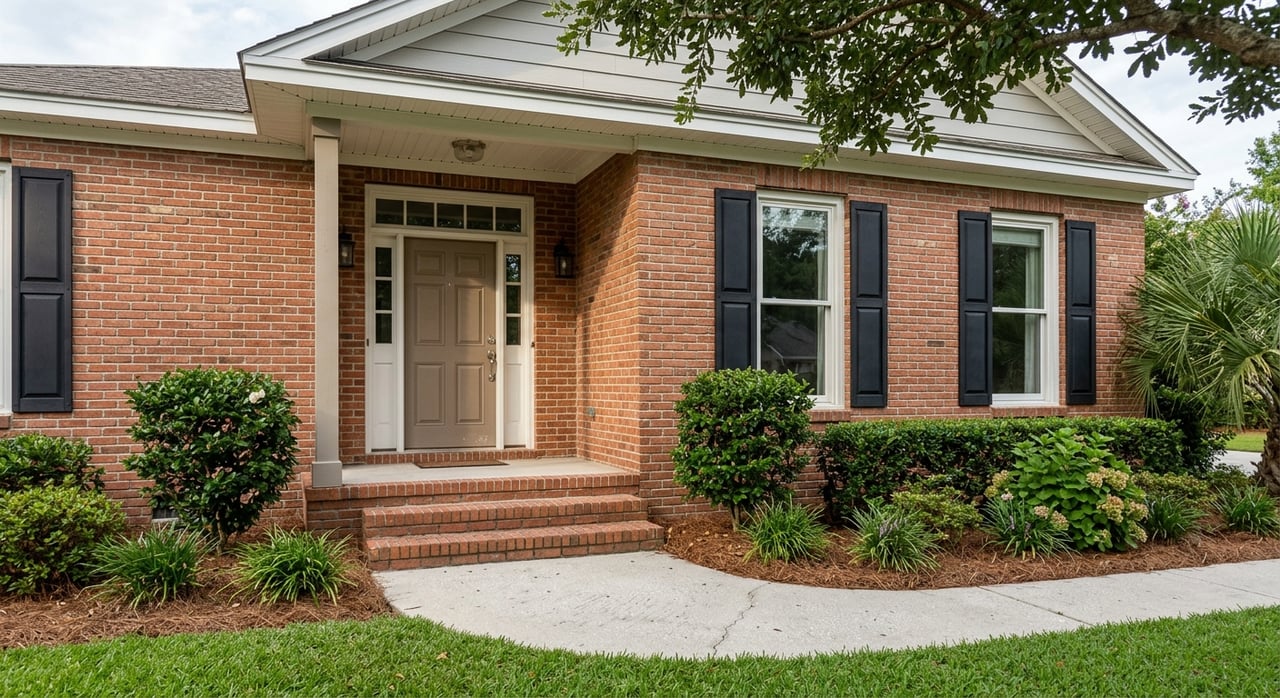
Buying in Charleston can feel like choosing between two very different versions of the same city. Do you want the charm, walkability, and architecture of a historic home, or the easier upkeep and more predictable systems that often come with new construction? If you are weighing both, the good news is that Charleston gives you strong options on each side. This guide will help you compare price, lifestyle, maintenance, and flood-related factors so you can make a smarter decision with more confidence. Let’s dive in.
Why This Choice Matters in Charleston
In Charleston, the historic-versus-new decision is not just about style. It often affects where you live, how you move through daily life, what you pay, and what kind of upkeep you should expect over time.
That is especially true because prices can vary a lot by zip code. Recent data puts Charleston’s citywide median sale price at about $590,611, while peninsula areas tied to historic housing are much higher. Zip code 29401 is around $1.47 million in average home value with a median list price near $1.99 million, and 29403 has a median sale price near $989,667. By comparison, 29412 is around $546,667 and 29414 is around $439,667.
Historic Homes: What Makes Them Different
Charleston’s historic homes are not just old houses. Many reflect building forms that grew out of the city’s climate, lot patterns, and long architectural history.
Common examples include the Charleston single house, the double house, and smaller vernacular homes such as Freedman’s cottages. A Charleston single house is usually two or more stories, one room deep, with the narrow side facing the street and piazzas running along the long side.
That design was not random. According to the City of Charleston, the classic single house often uses south-facing piazzas to reduce solar load and help catch breezes. So when buyers say a historic Charleston home “lives differently,” that feeling often has a real design reason behind it.
New Construction: What It Usually Offers
New construction in and around Charleston tends to appeal to buyers who want more predictable ownership costs in the short term. You may find newer systems, more efficient floor plans, and less immediate maintenance compared with an older home.
In many cases, newer homes are also located outside the most expensive historic peninsula areas. That can create a lower entry point for buyers who want more space, a newer layout, or a different day-to-day routine.
Walkability and Daily Lifestyle
One of the biggest differences between historic Charleston and newer areas is how you live outside your front door. If you want to park the car and walk to errands, dining, and daily stops, the peninsula usually stands out.
Walk Score data shows 29401 at 86 and 29403 at 74, compared with a citywide average of 40. That is a meaningful gap for buyers who care about walkability and a more connected street experience.
Historic homes are often on smaller lots with tighter street grids, which tends to support that lifestyle. Newer homes are more likely to be in areas where driving is part of the routine, even if some locations still offer access to parks, trails, and neighborhood retail.
Neither option is automatically better. It depends on whether you value central location and walkability more than yard space, parking, or a more car-oriented setup.
Comparing Costs Across Charleston
Price is often the clearest dividing line. Historic peninsula inventory usually carries a premium because of location, architecture, and limited supply.
Here is a simple snapshot of recent pricing:
| Area | Recent Price Indicator |
|---|---|
| Charleston citywide | Median sale price about $590,611 |
| 29401 | Average home value about $1.47M |
| 29403 | Median sale price about $989,667 |
| 29412 | Median sale price about $546,667 |
| 29414 | Median sale price about $439,667 |
For many buyers, this means the historic choice is also a location and budget choice. You may pay more to be in the heart of Charleston, while newer or more suburban options can offer a lower purchase price.
Maintenance: Charm Comes With Responsibility
Historic homes can be durable, but they usually ask more from you as an owner. Maintenance is one of the most important tradeoffs to understand before you buy.
The City of Charleston notes that BAR guidelines are there to help owners care for historic buildings and navigate review and permit processes. The broader takeaway is simple: older homes often require more active stewardship, and repairs may involve traditional materials or specialized local craftsmanship.
That does not mean a historic home is a bad investment. It means you should go in with realistic expectations and a healthy repair reserve.
New construction usually offers the opposite experience in the early years. Systems, finishes, and major components may be newer and less likely to need immediate replacement, which can make budgeting feel more predictable.
BAR Review and Exterior Changes
If you are buying in Charleston’s historic districts, design review can affect future plans for the property. This is one of the biggest differences between owning a historic home and owning a newer home outside those districts.
The Board of Architectural Review, or BAR, reviews new construction, renovations, and alterations visible from the public right-of-way within its area of oversight. The city also says that new buildings should reflect the scale and historic character of their surroundings.
For you as a buyer, that means changes to the exterior may not be as simple as hiring a contractor and starting work. If you think you may want to alter windows, porch details, elevations, or other visible features later, it is smart to understand those rules before you write an offer.
Flood Risk Matters for Both Options
Flood due diligence is important across Charleston, whether you buy historic or new construction. The City of Charleston says all properties in the city are in a flood zone, though not all are in the FEMA Special Flood Hazard Area.
That distinction matters because flood insurance requirements and costs can differ based on the property’s flood designation and financing. The city also notes that an elevation certificate can help a homeowner better understand flood risk and possible mitigation options.
For new construction and substantial improvements, Charleston’s floodplain rules apply Coastal A Zone requirements. For historic properties, flood mitigation work may involve another level of review if the property is within BAR jurisdiction or under easement control.
How to Decide Which Fits You Best
A historic Charleston home may fit you best if you value authentic architecture, central location, and a stronger walkable lifestyle. It can make sense if you are also comfortable with higher pricing in many peninsula areas, more ongoing maintenance, and the possibility of design review for exterior work.
A newer home may fit you better if you want more predictable systems, a more efficient layout, and lower immediate upkeep. It may also be the stronger choice if you want to keep your purchase price lower or prefer more space over being in Charleston’s oldest core.
The real answer is rarely just “historic” or “new.” In Charleston, the better question is which mix of location, flood exposure, maintenance demands, and daily lifestyle best matches your budget and comfort level.
Smart Buyer Checks Before You Offer
No matter which direction you lean, a few early checks can save you time and stress.
Before making an offer, consider confirming:
- Whether the property is inside BAR purview
- The property’s flood zone designation
- Whether an elevation certificate already exists
- Estimated flood insurance costs
- How future exterior changes would be reviewed or approved
- Whether the home’s expected upkeep fits your budget and tolerance for repairs
These steps matter because Charleston real estate is highly local. A home’s block, zip code, and review rules can shape your ownership experience as much as the house itself.
If you are moving to Charleston from outside the area, this is where local guidance becomes especially useful. A well-planned search can help you compare not just homes, but also the day-to-day experience each location creates.
If you want help sorting through Charleston home options with a practical, buyer-first approach, reach out to Nick Tarcea. He can help you evaluate the tradeoffs, narrow your search, and move forward with more clarity.
FAQs
What is the main difference between historic and new homes in Charleston?
- Historic homes usually offer more architectural character, stronger walkability, and central locations, while new homes often offer newer systems, more predictable upkeep, and lower pricing in some areas.
Are historic homes in Charleston more expensive than new construction?
- In many cases, yes. Recent data shows peninsula zip codes tied to historic housing, such as 29401 and 29403, are priced much higher than areas like 29412 and 29414.
What is BAR review for Charleston properties?
- BAR review is the City of Charleston’s architectural review process for certain historic district properties, covering new construction and visible exterior changes from the public right-of-way.
Do Charleston buyers need to check flood zones for both historic and new homes?
- Yes. The City of Charleston says all properties in the city are in a flood zone, though not all are in the FEMA Special Flood Hazard Area.
Is a historic Charleston home harder to maintain?
- It often requires more active maintenance. Older homes may need specialized materials, skilled local craftsmen, and a larger repair reserve than a comparable new build.
Which Charleston zip codes are more walkable for buyers?
- Recent Walk Score data shows 29401 and 29403 are far more walkable than many outer Charleston areas, which can make a big difference in your daily lifestyle.
